Volcano National Park
Volcano National Park
Volcano National Park
Explore the Power of Hawaiʻi Volcanoes National Park
Explore the Power of Hawaiʻi Volcanoes National Park
Explore the Power of Hawaiʻi Volcanoes National Park
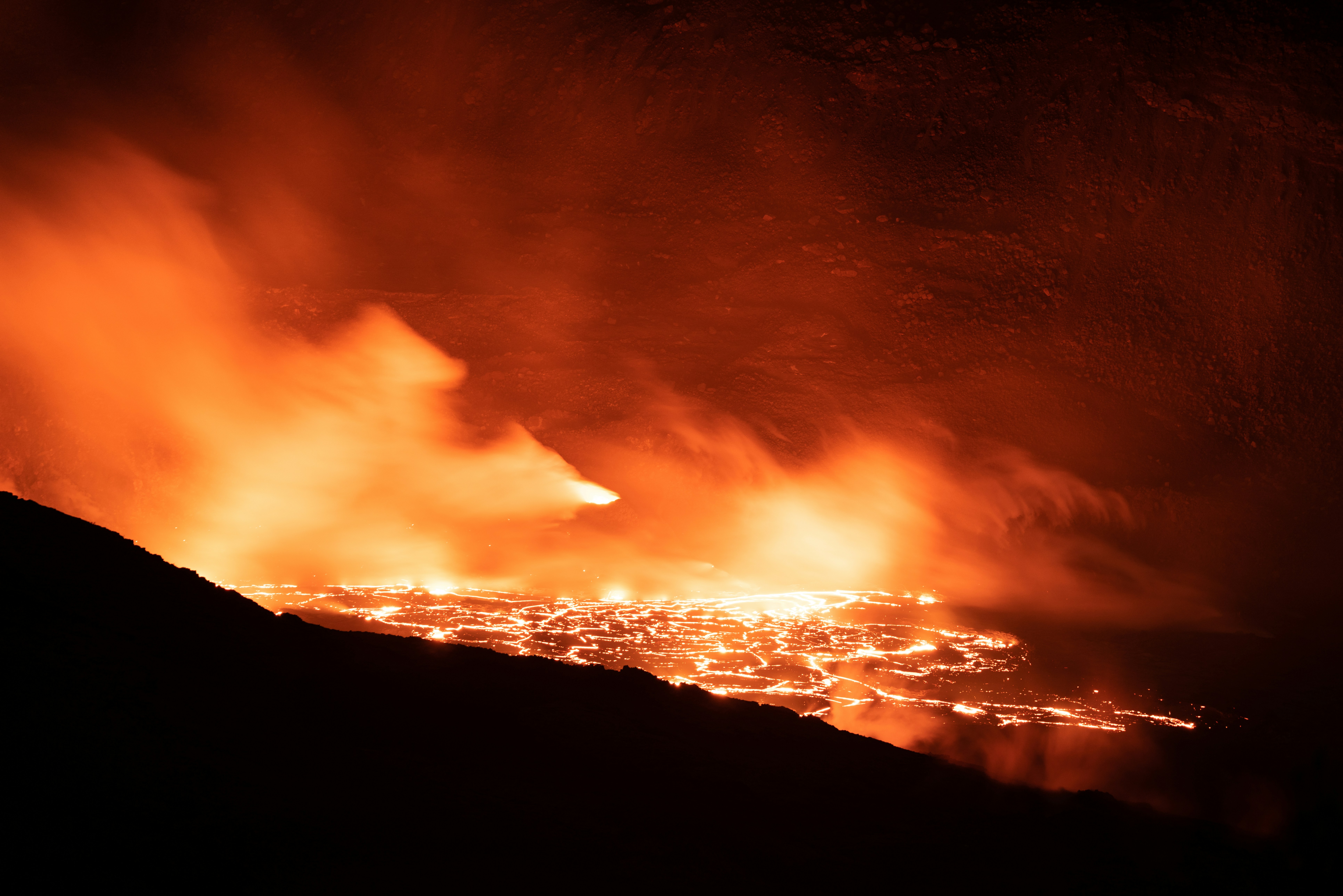
Hawaiʻi Volcanoes National Park on the Big Island offers a rare chance to stand on the edge of an active volcanic landscape and witness the raw forces shaping the Hawaiian Islands. Located on the southeastern slope of Mauna Loa and home to Kīlauea—one of the world’s most active volcanoes—the park invites visitors to walk across hardened lava fields, peer into steaming craters, and feel the Earth’s inner energy just beneath your feet.
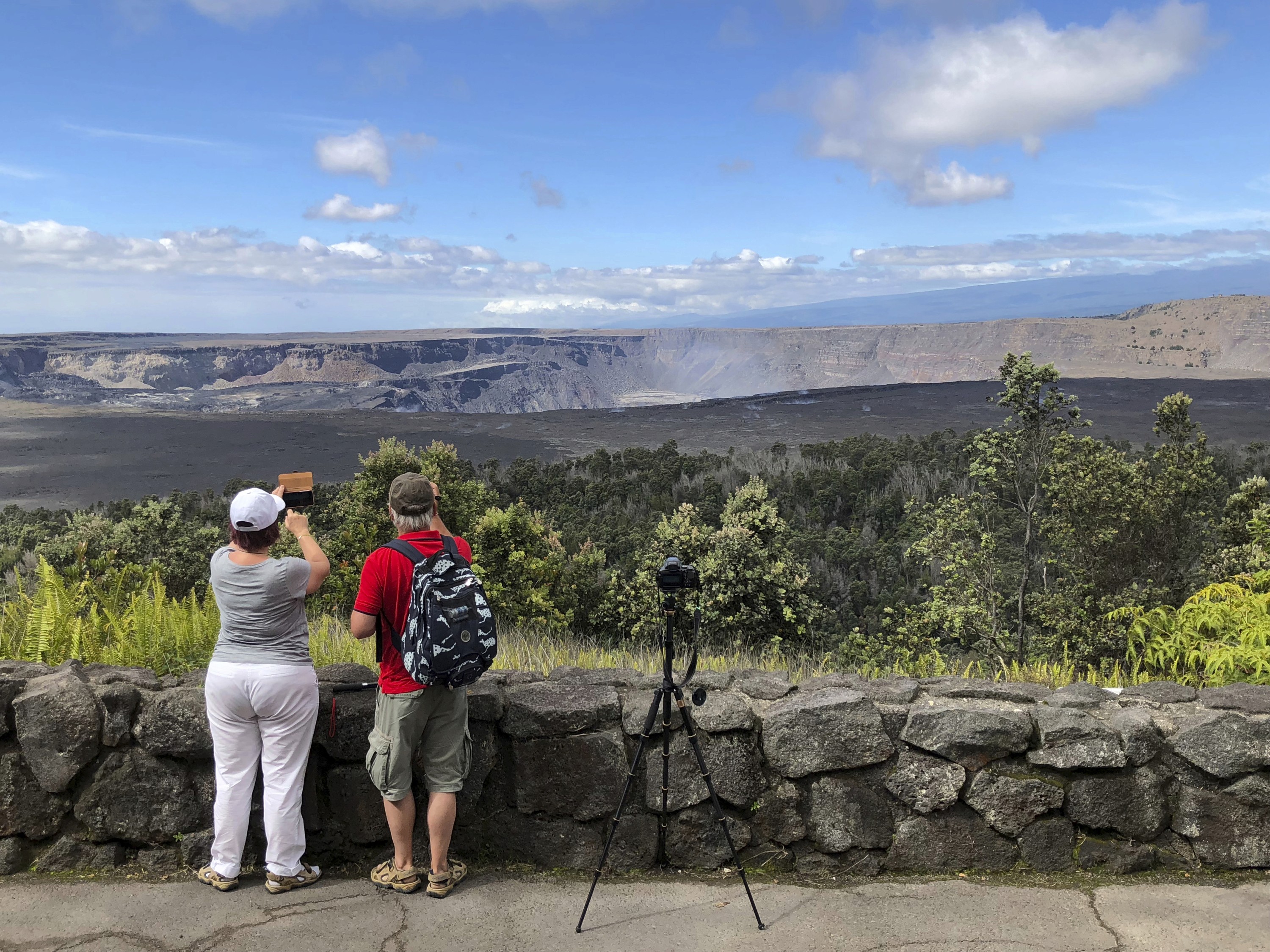
The park’s network of trails and drives lets you experience lava flows up close, from historic eruptions at Halemaʻumaʻu to the smooth, rope‑like pāhoehoe and blocky ʻaʻā lava flows that have carved valleys, caves, and tunnels over centuries. With viewpoints like Kīlauea Overlook, Jaggar Museum overlook, and the Chain of Craters Road, you can watch the sky glow at dusk, spot steam vents and fumaroles, and even catch the faint orange glow of fresh lava on eruptive nights, when conditions allow.
Beyond the geology, the park is also a living showcase of Hawaiian culture and ecology, where native plants slowly reclaim lava fields and sacred stories connect the land to Pele, the volcano goddess. Rangers and cultural programs share these traditions along with safety information, helping you understand and respect the dynamic environment you’re standing in while you hike, explore, or simply pause to absorb the immense scale of the landscape.
Hawaiʻi Volcanoes National Park on the Big Island offers a rare chance to stand on the edge of an active volcanic landscape and witness the raw forces shaping the Hawaiian Islands. Located on the southeastern slope of Mauna Loa and home to Kīlauea—one of the world’s most active volcanoes—the park invites visitors to walk across hardened lava fields, peer into steaming craters, and feel the Earth’s inner energy just beneath your feet.
The park’s network of trails and drives lets you experience lava flows up close, from historic eruptions at Halemaʻumaʻu to the smooth, rope‑like pāhoehoe and blocky ʻaʻā lava flows that have carved valleys, caves, and tunnels over centuries. With viewpoints like Kīlauea Overlook, Jaggar Museum overlook, and the Chain of Craters Road, you can watch the sky glow at dusk, spot steam vents and fumaroles, and even catch the faint orange glow of fresh lava on eruptive nights, when conditions allow.
Beyond the geology, the park is also a living showcase of Hawaiian culture and ecology, where native plants slowly reclaim lava fields and sacred stories connect the land to Pele, the volcano goddess. Rangers and cultural programs share these traditions along with safety information, helping you understand and respect the dynamic environment you’re standing in while you hike, explore, or simply pause to absorb the immense scale of the landscape.
Hawaiʻi Volcanoes National Park on the Big Island offers a rare chance to stand on the edge of an active volcanic landscape and witness the raw forces shaping the Hawaiian Islands. Located on the southeastern slope of Mauna Loa and home to Kīlauea—one of the world’s most active volcanoes—the park invites visitors to walk across hardened lava fields, peer into steaming craters, and feel the Earth’s inner energy just beneath your feet.
The park’s network of trails and drives lets you experience lava flows up close, from historic eruptions at Halemaʻumaʻu to the smooth, rope‑like pāhoehoe and blocky ʻaʻā lava flows that have carved valleys, caves, and tunnels over centuries. With viewpoints like Kīlauea Overlook, Jaggar Museum overlook, and the Chain of Craters Road, you can watch the sky glow at dusk, spot steam vents and fumaroles, and even catch the faint orange glow of fresh lava on eruptive nights, when conditions allow.
Beyond the geology, the park is also a living showcase of Hawaiian culture and ecology, where native plants slowly reclaim lava fields and sacred stories connect the land to Pele, the volcano goddess. Rangers and cultural programs share these traditions along with safety information, helping you understand and respect the dynamic environment you’re standing in while you hike, explore, or simply pause to absorb the immense scale of the landscape.
Adventure Map
Adventure Map
Find the adventure of your liking from the top of Mauna Kea to beaches of Kohala coast.
Find the adventure of your liking from the top of Mauna Kea to beaches of Kohala coast.

A Full Day of Adventure Inside the Park
A Full Day of Adventure Inside the Park
A Full Day of Adventure Inside the Park
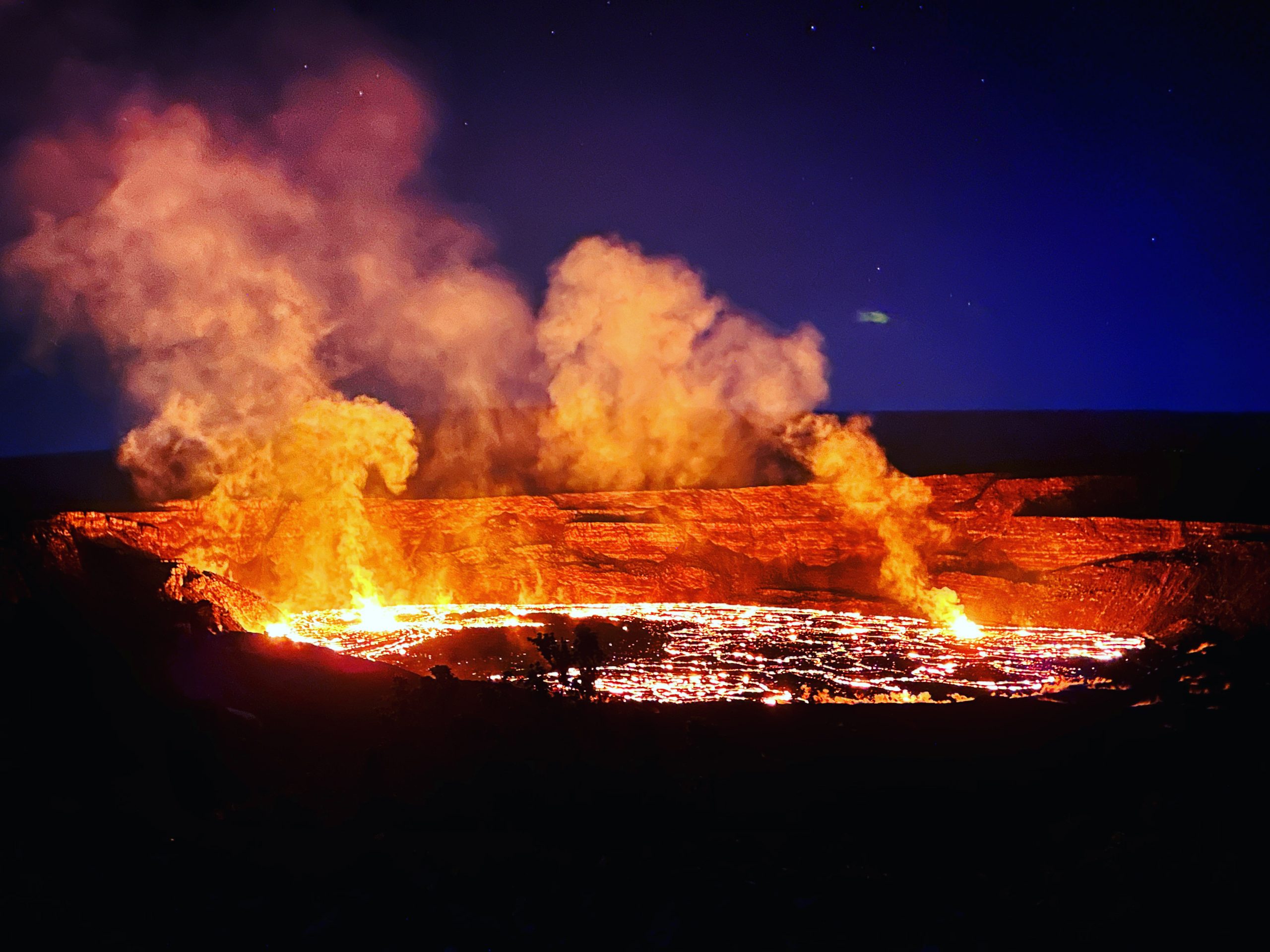
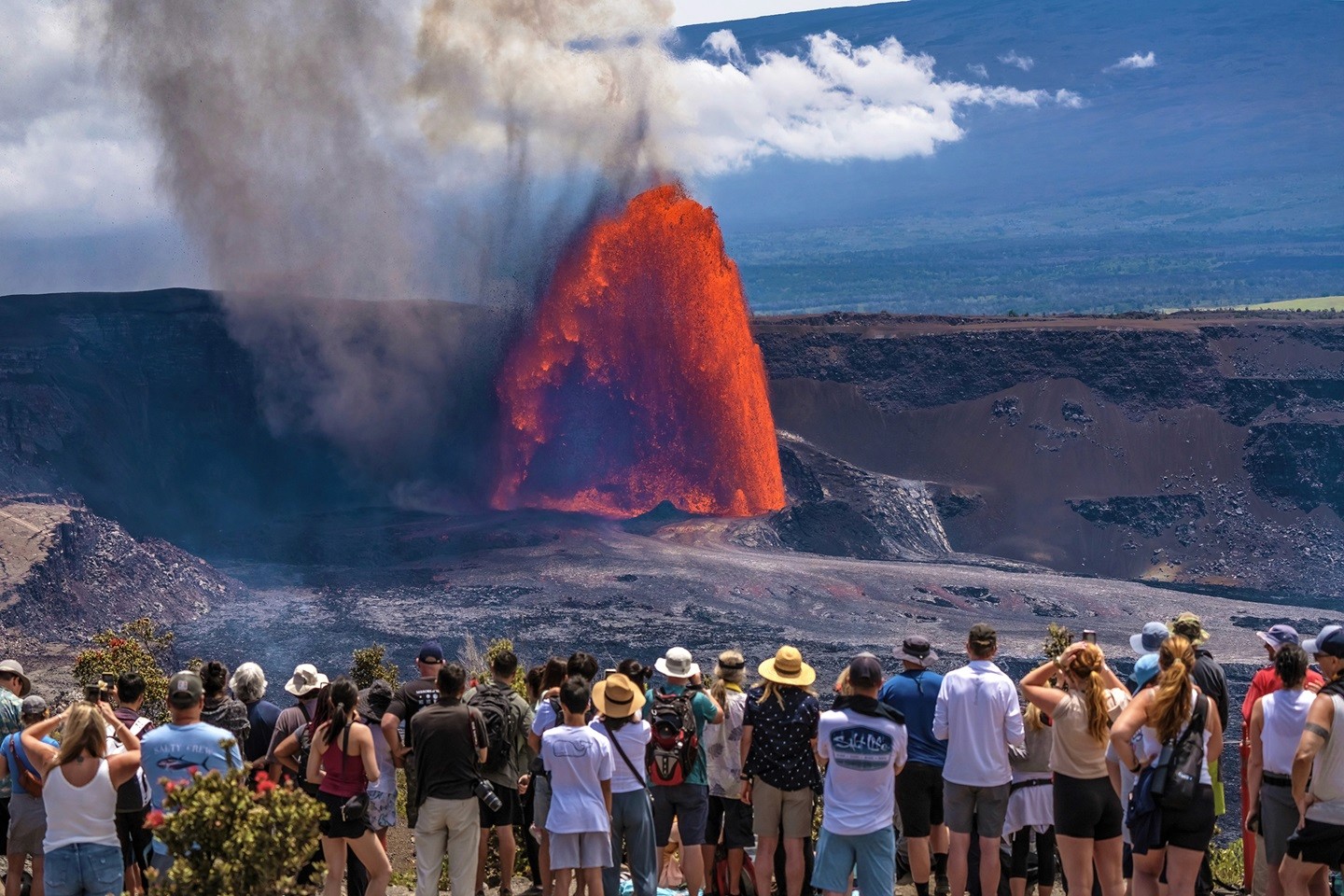
Volcano National Park is designed for more than quick photo stops—it’s a full‑day destination where you can mix short, easy walks with longer hikes and scenic drives. Trails like the Crater Rim Trail and the Kīlauea Iki Trail lead you across steaming sulfur vents, through lush rainforest, and across the vast, otherworldly floor of an old lava lake, offering dramatic contrasts of color, texture, and sound in a single stroll.
For visitors who want to go deeper, the park has lava‑tube caves, steam‑filled fissures, and a network of back‑country trails that reveal the quieter, more intimate side of the volcano. Rangers often host guided walks and evening programs that explain volcanic processes, share stories from recent eruptions, and help you read the signs of activity on the caldera and along the East Rift Zone.
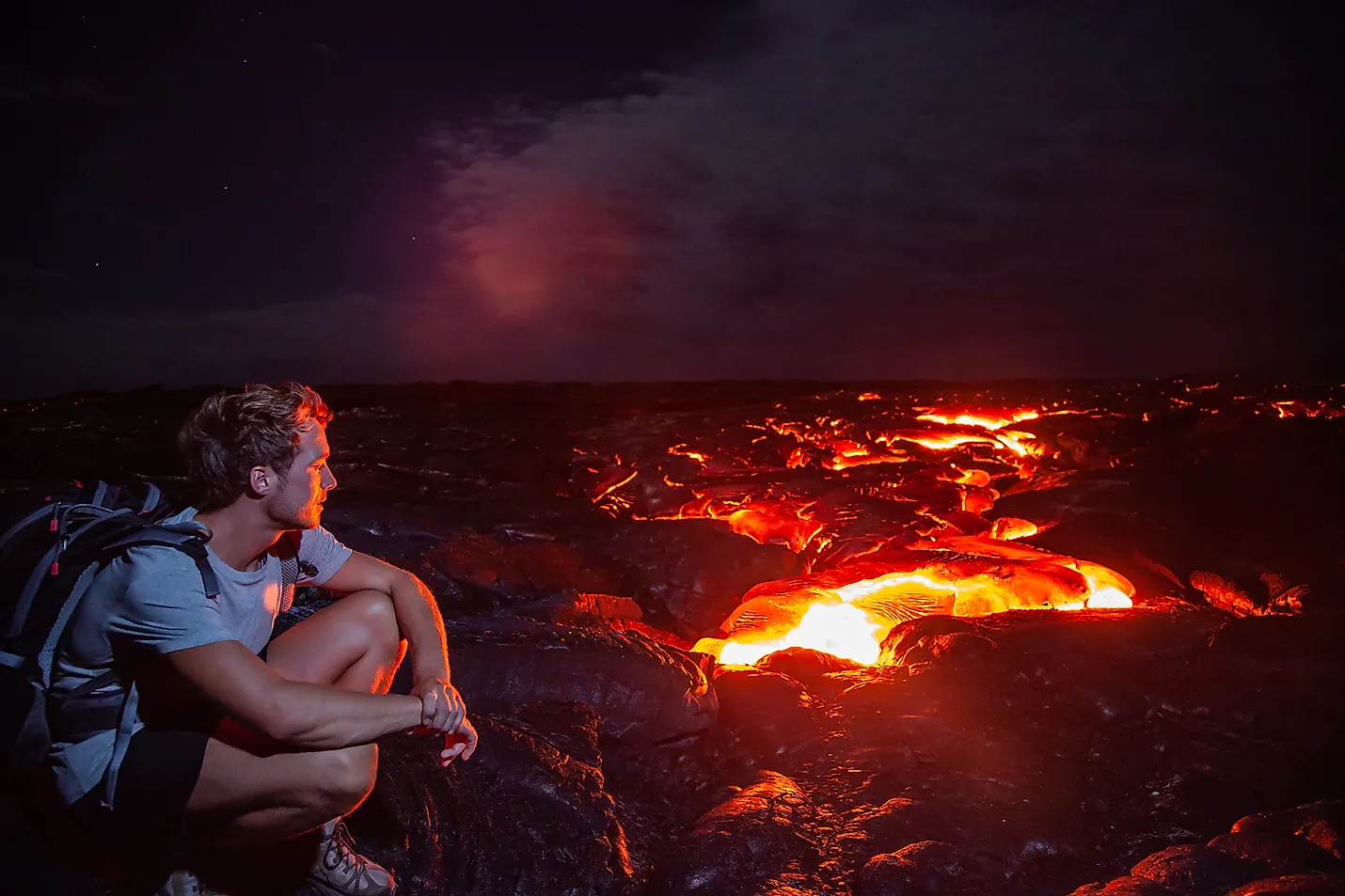
Whether you’re chasing sunrise over the caldera, night‑hiking to see the glow of lava, or simply driving along the park’s winding roads to stop at viewpoints and short paths, Hawaiʻi Volcanoes National Park delivers a powerful, unforgettable experience that connects you to the living heart of the Big Island.
Volcano National Park is designed for more than quick photo stops—it’s a full‑day destination where you can mix short, easy walks with longer hikes and scenic drives. Trails like the Crater Rim Trail and the Kīlauea Iki Trail lead you across steaming sulfur vents, through lush rainforest, and across the vast, otherworldly floor of an old lava lake, offering dramatic contrasts of color, texture, and sound in a single stroll.
For visitors who want to go deeper, the park has lava‑tube caves, steam‑filled fissures, and a network of back‑country trails that reveal the quieter, more intimate side of the volcano. Rangers often host guided walks and evening programs that explain volcanic processes, share stories from recent eruptions, and help you read the signs of activity on the caldera and along the East Rift Zone.
Whether you’re chasing sunrise over the caldera, night‑hiking to see the glow of lava, or simply driving along the park’s winding roads to stop at viewpoints and short paths, Hawaiʻi Volcanoes National Park delivers a powerful, unforgettable experience that connects you to the living heart of the Big Island.
Volcano National Park is designed for more than quick photo stops—it’s a full‑day destination where you can mix short, easy walks with longer hikes and scenic drives. Trails like the Crater Rim Trail and the Kīlauea Iki Trail lead you across steaming sulfur vents, through lush rainforest, and across the vast, otherworldly floor of an old lava lake, offering dramatic contrasts of color, texture, and sound in a single stroll.
For visitors who want to go deeper, the park has lava‑tube caves, steam‑filled fissures, and a network of back‑country trails that reveal the quieter, more intimate side of the volcano. Rangers often host guided walks and evening programs that explain volcanic processes, share stories from recent eruptions, and help you read the signs of activity on the caldera and along the East Rift Zone.
Whether you’re chasing sunrise over the caldera, night‑hiking to see the glow of lava, or simply driving along the park’s winding roads to stop at viewpoints and short paths, Hawaiʻi Volcanoes National Park delivers a powerful, unforgettable experience that connects you to the living heart of the Big Island.