Mauna Kea Summit
Mauna Kea Summit
Mauna Kea Summit
Journey to the 13,803-foot peak of Mauna Kea
Journey to the 13,803-foot peak of Mauna Kea
Journey to the 13,803-foot peak of Mauna Kea
Touring Mauna Kea’s summit is one of the most unforgettable experiences you can have on Hawaiʻi Island. From the moment you leave sea level, every mile you climb feels like you’re traveling to a different world, trading palm trees and warm ocean breezes for stark volcanic slopes and a sky so clear it hardly seems real. Many visitors describe it as the perfect balance of science, culture, and pure, awe-inspiring nature.
The journey typically begins in the late afternoon, when you’re picked up and driven inland toward the towering shield volcano that dominates the island’s northern horizon. As the road winds upward, the landscape changes from tropical greenery to high-elevation pastureland, then to rugged lava fields and cinder cones. Guides often share stories about Mauna Kea’s geology, its status as the highest point in Hawaiʻi, and why its dry, stable air has attracted astronomers from around the world.
Around 9,000 feet above sea level, you reach the visitor center area, where the real transition to the high mountain begins. This is where you acclimate to the altitude, warm up with a light meal or hot drink, and learn more about the cultural and scientific significance of Mauna Kea. Interpretive displays and ranger talks help you understand why the mountain is both a sacred place in Native Hawaiian culture and a globally important site for astronomy.
Touring Mauna Kea’s summit is one of the most unforgettable experiences you can have on Hawaiʻi Island. From the moment you leave sea level, every mile you climb feels like you’re traveling to a different world, trading palm trees and warm ocean breezes for stark volcanic slopes and a sky so clear it hardly seems real. Many visitors describe it as the perfect balance of science, culture, and pure, awe-inspiring nature.
The journey typically begins in the late afternoon, when you’re picked up and driven inland toward the towering shield volcano that dominates the island’s northern horizon. As the road winds upward, the landscape changes from tropical greenery to high-elevation pastureland, then to rugged lava fields and cinder cones. Guides often share stories about Mauna Kea’s geology, its status as the highest point in Hawaiʻi, and why its dry, stable air has attracted astronomers from around the world.
Around 9,000 feet above sea level, you reach the visitor center area, where the real transition to the high mountain begins. This is where you acclimate to the altitude, warm up with a light meal or hot drink, and learn more about the cultural and scientific significance of Mauna Kea. Interpretive displays and ranger talks help you understand why the mountain is both a sacred place in Native Hawaiian culture and a globally important site for astronomy.
Touring Mauna Kea’s summit is one of the most unforgettable experiences you can have on Hawaiʻi Island. From the moment you leave sea level, every mile you climb feels like you’re traveling to a different world, trading palm trees and warm ocean breezes for stark volcanic slopes and a sky so clear it hardly seems real. Many visitors describe it as the perfect balance of science, culture, and pure, awe-inspiring nature.
The journey typically begins in the late afternoon, when you’re picked up and driven inland toward the towering shield volcano that dominates the island’s northern horizon. As the road winds upward, the landscape changes from tropical greenery to high-elevation pastureland, then to rugged lava fields and cinder cones. Guides often share stories about Mauna Kea’s geology, its status as the highest point in Hawaiʻi, and why its dry, stable air has attracted astronomers from around the world.
Around 9,000 feet above sea level, you reach the visitor center area, where the real transition to the high mountain begins. This is where you acclimate to the altitude, warm up with a light meal or hot drink, and learn more about the cultural and scientific significance of Mauna Kea. Interpretive displays and ranger talks help you understand why the mountain is both a sacred place in Native Hawaiian culture and a globally important site for astronomy.
Adventure Map
Adventure Map
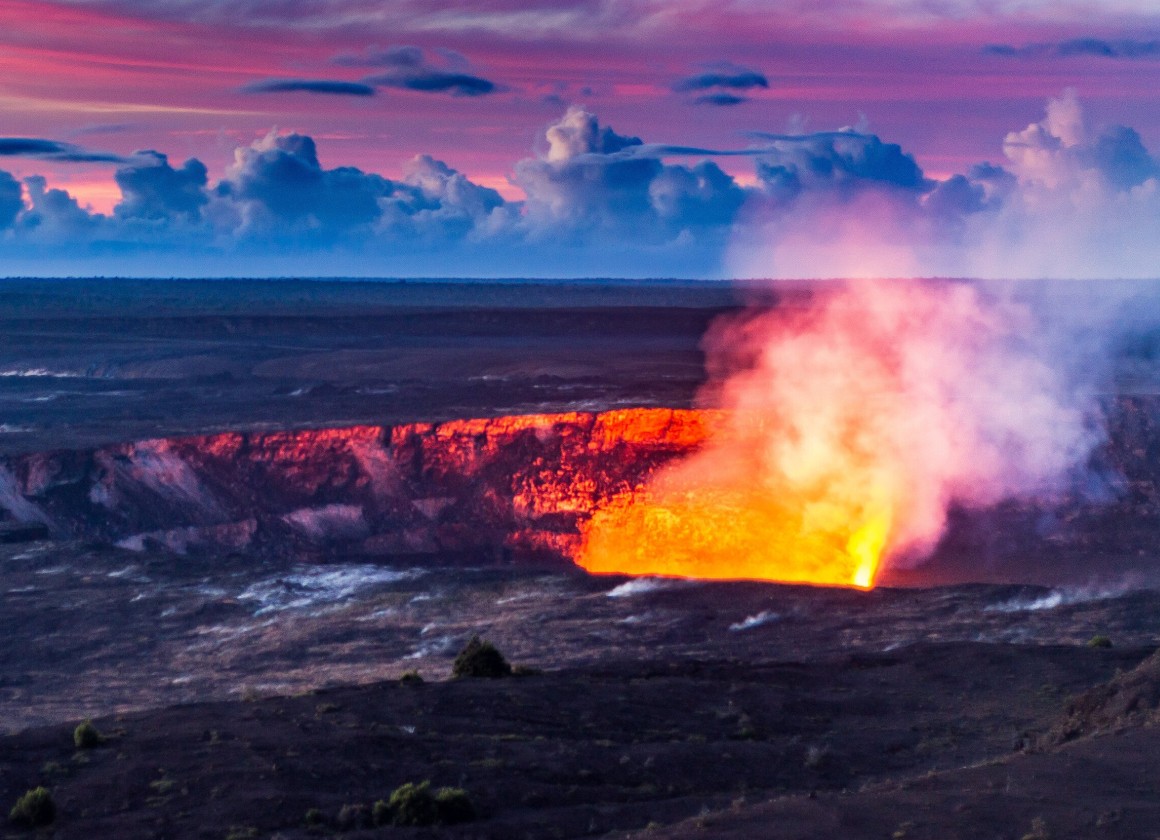
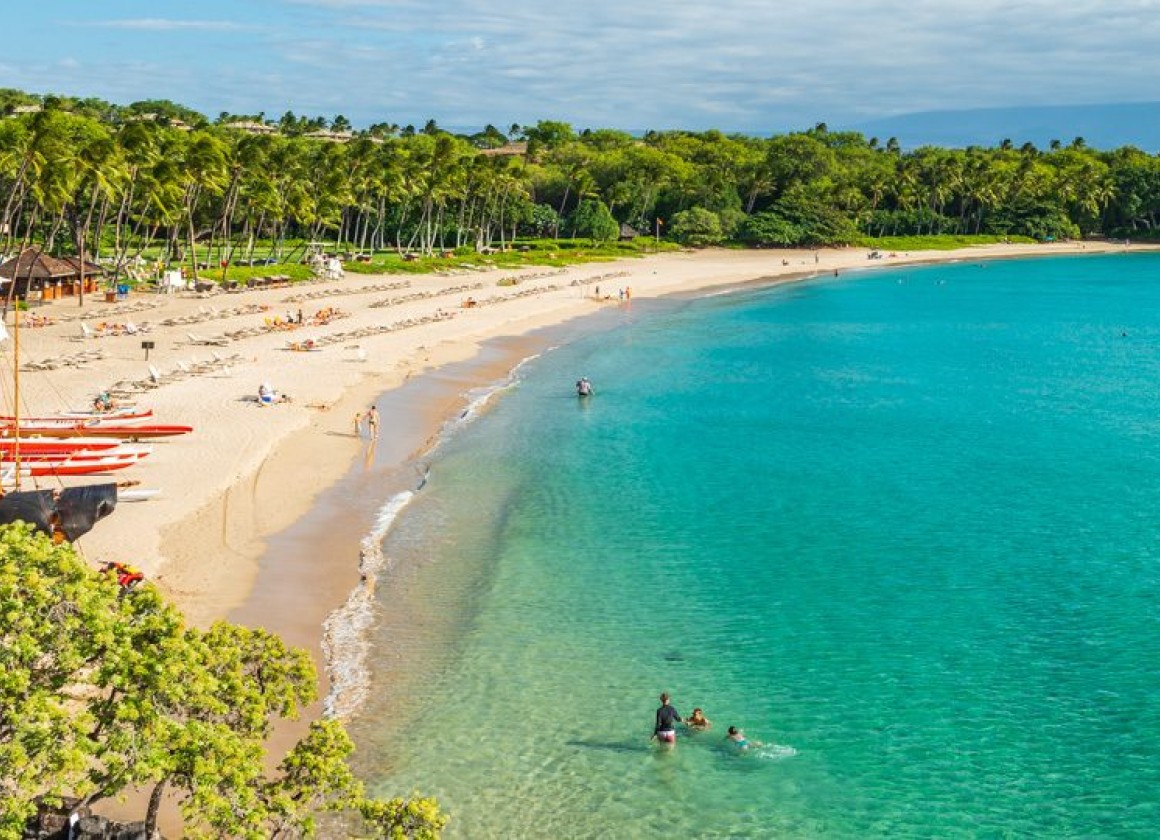
Find the adventure of your liking from the top of Mauna Kea to beaches of Kohala coast.
Find the adventure of your liking from the top of Mauna Kea to beaches of Kohala coast.

What to Expect
What to Expect
What to Expect
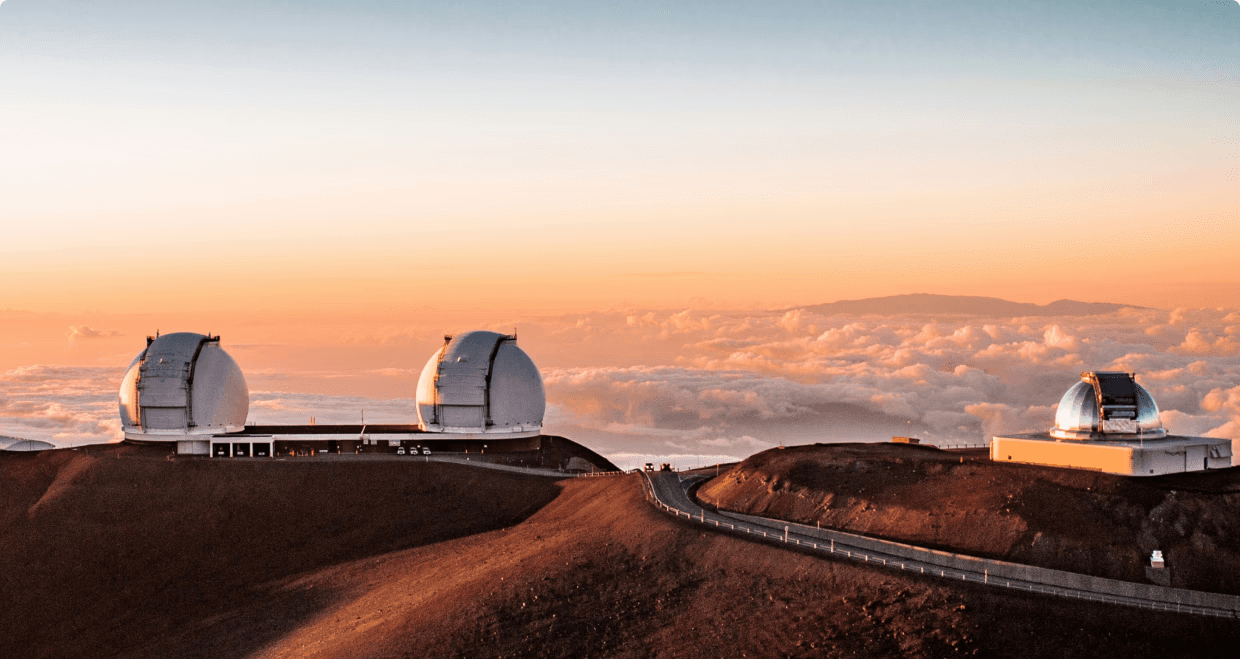
As the sun begins to dip, you continue the ascent toward the summit, eventually reaching more than 13,000 feet above sea level. Up here, the landscape feels almost lunar—rust-colored cinder cones, distant ridgelines, and observatory domes glowing against the evening sky. Stepping out into the thin, crisp air, you watch the sunset spill across the clouds below, often revealing a sea of color that stretches in every direction. On clear evenings, you can even catch the shadow of Mauna Kea stretching across the horizon.
Once darkness settles in, the focus turns to the stars. With minimal light pollution and some of the clearest skies on Earth, this is where the night truly comes alive. Your guide may set up a telescope to help you see planets, star clusters, and distant galaxies, while pointing out constellations from both Western and Polynesian traditions. Even without equipment, the sheer number of visible stars can be overwhelming—many visitors say it’s the first time they’ve truly understood what a “dark sky” really means.
Throughout the experience, safety and respect for the mountain are essential. The high altitude means moving slowly, drinking plenty of water, and wearing warm layers, including a heavy jacket, hat, and gloves. It also means listening to your body; if you feel unwell, it’s important to speak up and descend. Just as important is honoring Mauna Kea’s cultural significance by staying on designated areas, following guide instructions, and approaching the summit with gratitude rather than treating it as just another photo stop.
By the time you descend back toward sea level, usually late at night, the island feels somehow different—quieter, more mysterious, and more alive. The lights of the coastline reappear, the air warms, and you may catch your reflection in the van window, still bundled up, replaying the moment you stood above the clouds. For many travelers, a Mauna Kea summit and stargazing tour becomes the defining memory of their Hawaiʻi Island stay: a reminder that paradise is not just beaches and palms, but also ancient mountains, sacred stories, and a sky full of shimmering stars.
As the sun begins to dip, you continue the ascent toward the summit, eventually reaching more than 13,000 feet above sea level. Up here, the landscape feels almost lunar—rust-colored cinder cones, distant ridgelines, and observatory domes glowing against the evening sky. Stepping out into the thin, crisp air, you watch the sunset spill across the clouds below, often revealing a sea of color that stretches in every direction. On clear evenings, you can even catch the shadow of Mauna Kea stretching across the horizon.
Once darkness settles in, the focus turns to the stars. With minimal light pollution and some of the clearest skies on Earth, this is where the night truly comes alive. Your guide may set up a telescope to help you see planets, star clusters, and distant galaxies, while pointing out constellations from both Western and Polynesian traditions. Even without equipment, the sheer number of visible stars can be overwhelming—many visitors say it’s the first time they’ve truly understood what a “dark sky” really means.
Throughout the experience, safety and respect for the mountain are essential. The high altitude means moving slowly, drinking plenty of water, and wearing warm layers, including a heavy jacket, hat, and gloves. It also means listening to your body; if you feel unwell, it’s important to speak up and descend. Just as important is honoring Mauna Kea’s cultural significance by staying on designated areas, following guide instructions, and approaching the summit with gratitude rather than treating it as just another photo stop.
By the time you descend back toward sea level, usually late at night, the island feels somehow different—quieter, more mysterious, and more alive. The lights of the coastline reappear, the air warms, and you may catch your reflection in the van window, still bundled up, replaying the moment you stood above the clouds. For many travelers, a Mauna Kea summit and stargazing tour becomes the defining memory of their Hawaiʻi Island stay: a reminder that paradise is not just beaches and palms, but also ancient mountains, sacred stories, and a sky full of shimmering stars.
As the sun begins to dip, you continue the ascent toward the summit, eventually reaching more than 13,000 feet above sea level. Up here, the landscape feels almost lunar—rust-colored cinder cones, distant ridgelines, and observatory domes glowing against the evening sky. Stepping out into the thin, crisp air, you watch the sunset spill across the clouds below, often revealing a sea of color that stretches in every direction. On clear evenings, you can even catch the shadow of Mauna Kea stretching across the horizon.
Once darkness settles in, the focus turns to the stars. With minimal light pollution and some of the clearest skies on Earth, this is where the night truly comes alive. Your guide may set up a telescope to help you see planets, star clusters, and distant galaxies, while pointing out constellations from both Western and Polynesian traditions. Even without equipment, the sheer number of visible stars can be overwhelming—many visitors say it’s the first time they’ve truly understood what a “dark sky” really means.
Throughout the experience, safety and respect for the mountain are essential. The high altitude means moving slowly, drinking plenty of water, and wearing warm layers, including a heavy jacket, hat, and gloves. It also means listening to your body; if you feel unwell, it’s important to speak up and descend. Just as important is honoring Mauna Kea’s cultural significance by staying on designated areas, following guide instructions, and approaching the summit with gratitude rather than treating it as just another photo stop.
By the time you descend back toward sea level, usually late at night, the island feels somehow different—quieter, more mysterious, and more alive. The lights of the coastline reappear, the air warms, and you may catch your reflection in the van window, still bundled up, replaying the moment you stood above the clouds. For many travelers, a Mauna Kea summit and stargazing tour becomes the defining memory of their Hawaiʻi Island stay: a reminder that paradise is not just beaches and palms, but also ancient mountains, sacred stories, and a sky full of shimmering stars.